🏭 Manufacturing & Advanced Engineering
Your Digital Shop Floor Manager
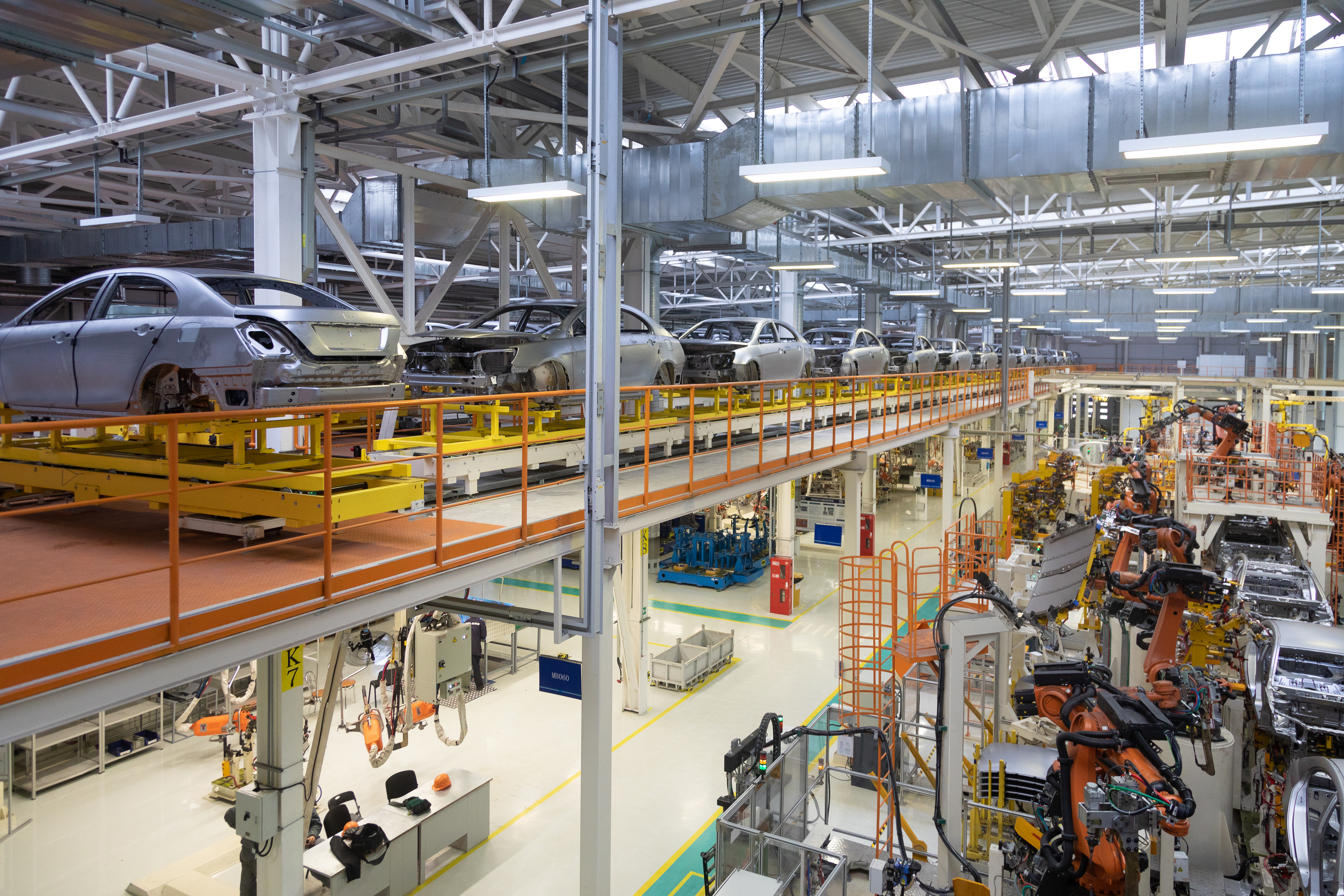
KDAPT acts as an always-on intelligence layer across your assembly lines, supply chains, and vendor networks. Ask natural language questions about OEE, machine health, and procurement, and get precise answers in seconds from your live ERP data.
⚙️
Predictive Maintenance
Using sensor and historical data to forecast when a machine on the assembly line might fail. Reduce unplanned downtime across shifts and plants.
📊
OEE Tracking
Conversational queries to monitor Overall Equipment Effectiveness across various shifts or plants in real time from your ERP.
🔗
Supply Chain Resilience
Identifying bottlenecks in raw material procurement by asking natural language questions about vendor lead times before they escalate.
Example AI Queries
AI Active
Ask KDAPT in plain English ↓
"Which machines on Line B are at risk of failure this week?"
"Compare OEE across all three plants for this month."
"Are any vendor lead times threatening next month's production schedule?"